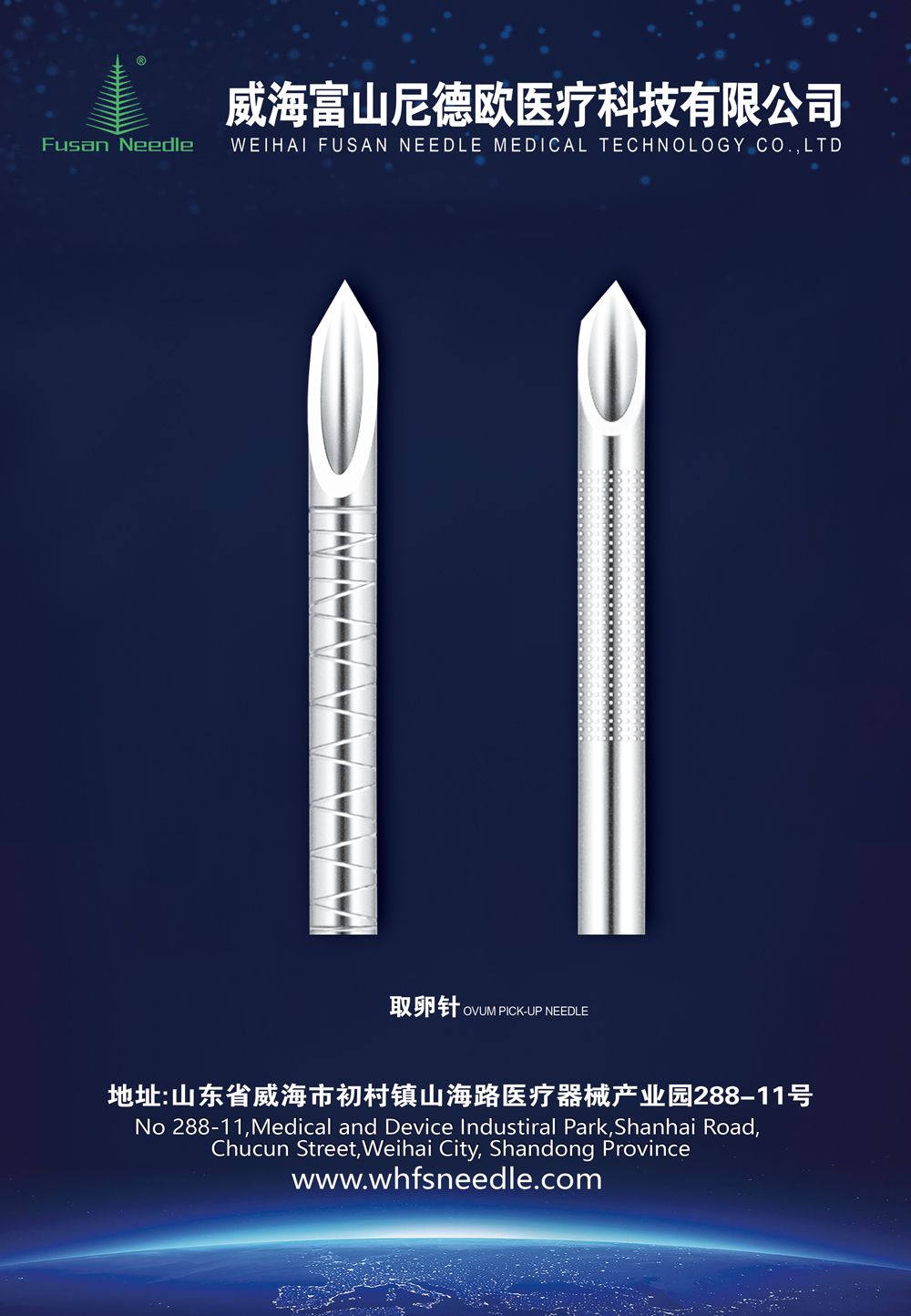
Follicle Puncture Needle Surgery Process
Oocyte retrieval is a critical step in in-vitro fertilization (IVF). After ovarian stimulation and the trigger shot, follicles mature within 34-36 hours; the physician then uses a follicle puncture needle to retrieve oocytes before ovulation.
1. Pre-operative Preparation
The patient fasts for 6-8 hours. Vaginal ultrasound is performed to assess follicle count and size, ovary position and access path. The puncture needle, suction tubing and collection tubes are prepared and connected to the aspiration pump.
2. Anesthesia
Most centers use intravenous anesthesia (propofol) to keep the patient pain-free and still; some use local anesthesia or paracervical block depending on patient condition.
3. Vaginal Ultrasound-Guided Puncture
Under transvaginal ultrasound guidance, the follicle puncture needle is passed through the vaginal wall into the ovary. The needle length is about 35 cm; common gauges are 16G-21G with 18G and 19G most common. The needle is inserted into each follicle in turn, and the suction pump applies negative pressure to aspirate follicular fluid containing the oocyte.
4. Oocyte Identification
The aspirated follicular fluid is immediately passed to the embryology lab, where the embryologist searches under a microscope to identify and isolate the oocyte-cumulus complex and transfer it to culture medium.
5. Post-operative Care
After all follicles are aspirated, the needle is withdrawn. The patient is observed for bleeding and vital signs for 1-2 hours; antibiotics and prophylactic measures may be given. Mild lower abdominal discomfort and a small amount of bleeding are common.
The follicle puncture needle is the only instrument that enters the ovary during retrieval; its sharpness, surface smoothness and ultrasound-identifiable echogenic tip directly affect oocyte yield and patient safety.